About This Project
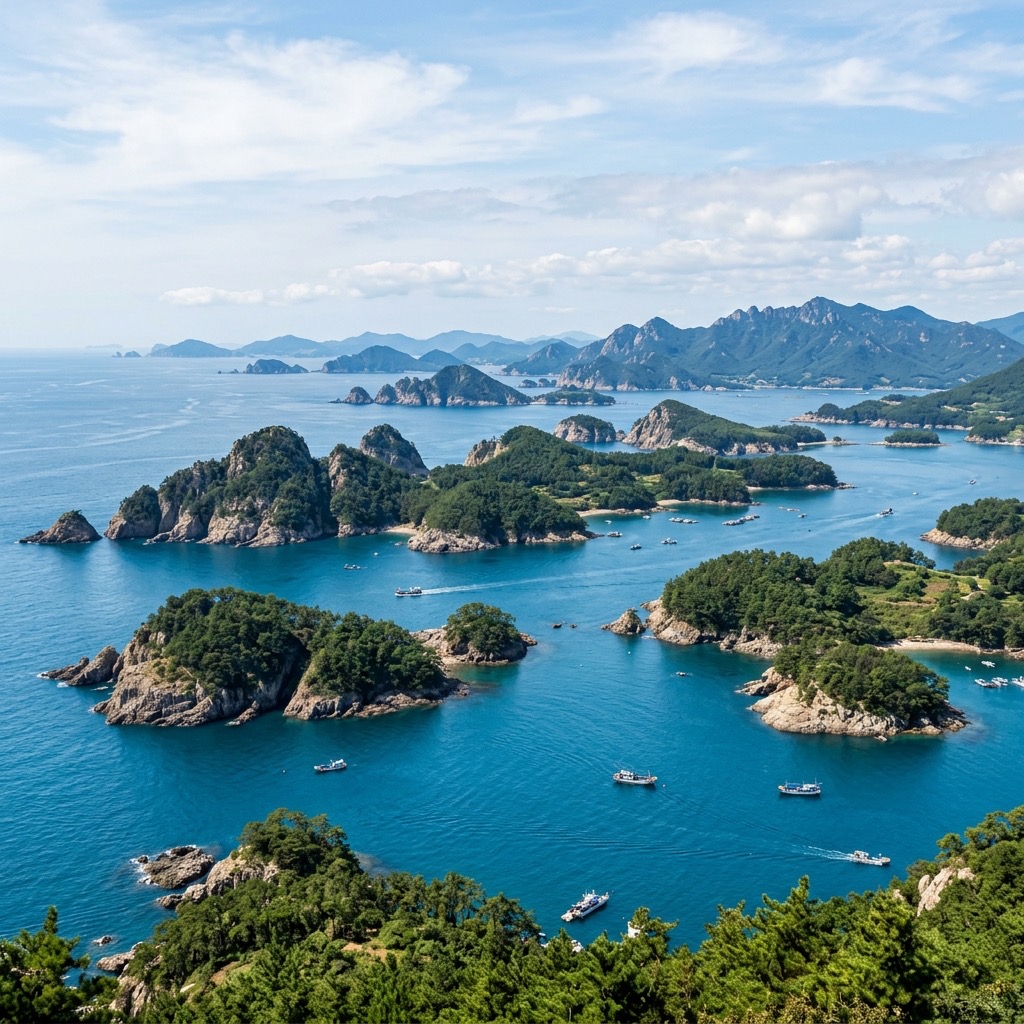
Dadohaehaesang National Park is South Korea's largest national park, spanning a massive expanse of turquoise waters, rocky coasts, and over 1,700 islands and islets in the South Sea. This marine preserve forms a critical sanctuary for vulnerable wildlife, including the elusive Finless Porpoise (Neophocaena asiaeorientalis) and unique temperate coral reefs. However, rising sea temperatures, coastal aquaculture pollution, and destructive bottom-trawling have triggered widespread marine desertification, stripping away the sub-tidal kelp forests that provide breeding habitats for fish.
The Dadohaehaesang Marine Ecosystem Defense project, launched by Dasom Saessak Initiative in 2021, focuses on three goals: restoring damaged kelp forests, using acoustic telemetry to track porpoise populations, and patrolling remote, uninhabited islets to clear beach debris and protect nesting seabirds.
"Under the surface, kelp forests are the foundation of Dadohaehaesang. Without them, fish nurseries collapse, leaving marine mammals and local diving communities without sustenance."
— Prof. Yoon Jin-woo, Department of Marine Science, Mokpo Maritime University
The Challenge
Marine Desertification
Warming ocean temperatures and sea urchin overpopulation turn rich, sub-tidal kelp forests into barren, rocky deserts devoid of life.
Aquaculture Runoff
Intense commercial fish and abalone farming in neighboring bays discharges excess nutrients, causing localized algal blooms and low oxygen zones.
Bottom-Trawling Damage
Illegal industrial fishing vessels dragging heavy nets along the sea floor shred delicate cold-water coral reefs and kelp holdfasts.
Islet Habitat Poaching
Remote, uninhabited islets are highly vulnerable to illicit collectors who harvest rare plants and disturb nesting colonies of migratory seabirds.
Our Approach
We deploy marine engineering solutions and citizen-led boat patrols to protect and rebuild Dadohaehaesang's sub-surface biodiversity.
Kelp Forest Afforestation
Our research divers weave native kelp spores (Ecklonia cava) into rope matrices and anchor them securely to sea reefs. This jumpstarts new kelp ecosystems, stabilizing the local fish population within 12 months.
Acoustic Porpoise Tracking
We deploy underwater hydrophones across migration inlets. The acoustic logging of finless porpoise clicks helps us map their distribution and advise shipping authorities on speed limits.
Uninhabited Islet Sweeps
We organize monthly boat sweeps to remote national park islands. Volunteers remove washed-up marine plastics and document the nesting success of rare seabirds.
Project Timeline & Milestones
Conservation Group Formed
Co-founded the alliance in Mokpo with local diving associations and university marine biology students.
First Kelp Forest Restored
Successfully established a 5-hectare pilot kelp spore site off Sinan County. Documented a 40% increase in juvenile fish density.
Hydrophone Array Operational
Decommissioned older systems to deploy 4 underwater acoustic monitors near Wando, capturing finless porpoise migration signals.
Expanding Kelp Reefs & Island Patrols
Expanding kelp spore lines to cover 32 hectares near Jindo. Lobbying local councils to restrict commercial fishing vessels from entering breeding coves.
Dadohae Marine Cooperative
Establishing a sustainable eco-tourism cooperative led by local fishermen and divers to manage ongoing kelp health monitoring and islet patrols.
Latest Updates
Kelp Reef Inspections Confirm High Spore Settlement
Our scientific diving team completed inspections of our Jindo kelp reef matrices, confirming a 92% healthy spore settlement rate ahead of summer. View Photos →
1.2 Tons of Marine Plastic Cleared from Sado Islet
A team of 40 volunteer divers and climbers chartered to Sado islet, clearing 1,200 kg of washed-up nets, ropes, and plastic buoys from bird nesting zones.