About This Project
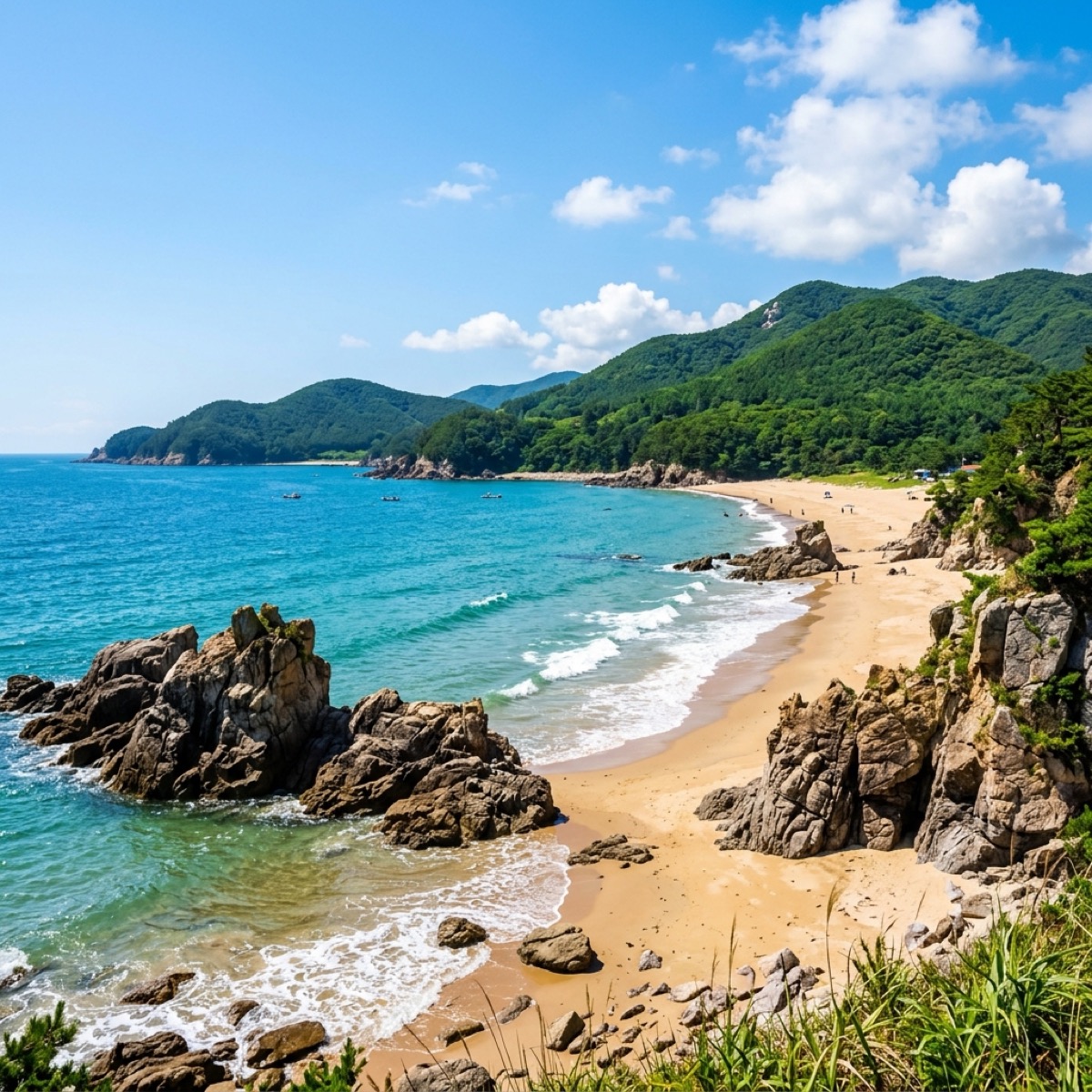
Taeanhaean National Park is South Korea's only marine national park, encompassing 130 kilometers of complex, jagged coastlines, sandy dunes, tidal mudflats, and over 70 islets in the West Sea. This protected marine sanctuary serves as a vital nursery for countless fish, crustacean, and migratory shorebird species. However, due to geographical sea currents and intensive commercial fishing, Taeanhaean is hit hard by marine litter. Ghost nets (abandoned nylon fishing nets) and Styrofoam buoys clog the park's fragile coastal ecosystem, threatening marine life and breaking down into hazardous microplastics.
Launched in 2022, our Taeanhaean National Park Coastal Cleanup project organizes large-scale beach cleanup blitzes, dredges submerged fishing nets, and runs a circular economy system that upcycles sorted marine plastic into eco-fabrics and construction materials.
"Clearing marine debris is a race against UV degradation. If we don't extract these Styrofoam buoys within weeks, they fragment into billions of microplastic beads that are impossible to retrieve."
— Kang Ji-tae, Lead Marine Activist, West Sea Protection Alliance
The Challenge
Commercial Ghost Nets
Discarded heavy nylon nets float submerged or wash onto rocky reefs, entangling marine mammals, sea birds, and local Haenyeo divers.
Styrofoam Fragmentation
Thousands of industrial aquaculture buoys wash ashore. Sun exposure weakens their structure, fragmenting them into microplastics that poison fish and birds.
Tidal Deposition
Taeanhaean's deep bay shapes cause natural currents to trap debris, bringing in tons of fresh domestic and international waste with every tide cycle.
Remote Cove Access
Many of the park's worst accumulation sites are isolated rocky coves bordered by tall cliffs, requiring boat transport and climbers to clear.
Our Approach
We deploy a structured, multi-layer marine waste management system that combines direct community action with eco-industrial recycling.
Volunteer Beach-Sweeping drives
We organize large-scale shoreline cleanup campaigns. Volunteers are equipped with safety gear, sorting tools, and GPS logging apps to clear sandy beaches and map debris hotspots.
Ghost Net Reclamation Partnerships
We contract local fishing boat captains during the off-season. Boats use specialized dredging hooks to safely pull up submerged nets from coastal breeding reefs.
Upcycle Circular System
All retrieved plastic and nets are cleaned, categorized, and transported to upcycling mills. Here, they are transformed into eco-friendly textile yarns and synthetic construction tiles, preventing landfill waste.
Project Timeline & Milestones
Project Launch
Hosted our first volunteer cleanup at Mallipo Beach. 30 participants cleared 250 kg of surface trash.
Fishermen alliance Formed
Signed co-op agreement with Taean Fishing Cooperatives. Enlisted 12 boats for submerged net recovery sweeps.
10 Tons Collected & Upcycled
Reached the 10-ton milestone. Partnered with regional textile mills to turn ocean plastics into retail sportswear fabric.
Targeting Outer Rocky Islands
Expanding cleanup actions to uninhabited islands like Sado. Setting up trash interception booms across harbor inlets to catch trash before it beaches.
Marine Conservation Hub
Establish a permanent marine sorting and education center in Taean Harbor to train fishing boat crews and manage regional marine plastic recycling.
Latest Updates
2.4 Tons of Ghost Nets Extracted from Sinduri
Our volunteer boat crews completed a dredging sweep near the Sinduri Sand Dunes shore, successfully recovering 2.4 tons of abandoned commercial fishing gear. Read Report →
350 Volunteers Join Spring Shoreline Sweep
Over 350 residents and students gathered across three park beaches for our spring shoreline cleanup, collecting 1,400 kg of plastic bottles and Styrofoam.
First Upcycled Bins Deployed in Taean Harbor
We installed 10 marine debris collection bins constructed entirely from ocean plastics recovered during our 2024 campaign drives.