About This Project
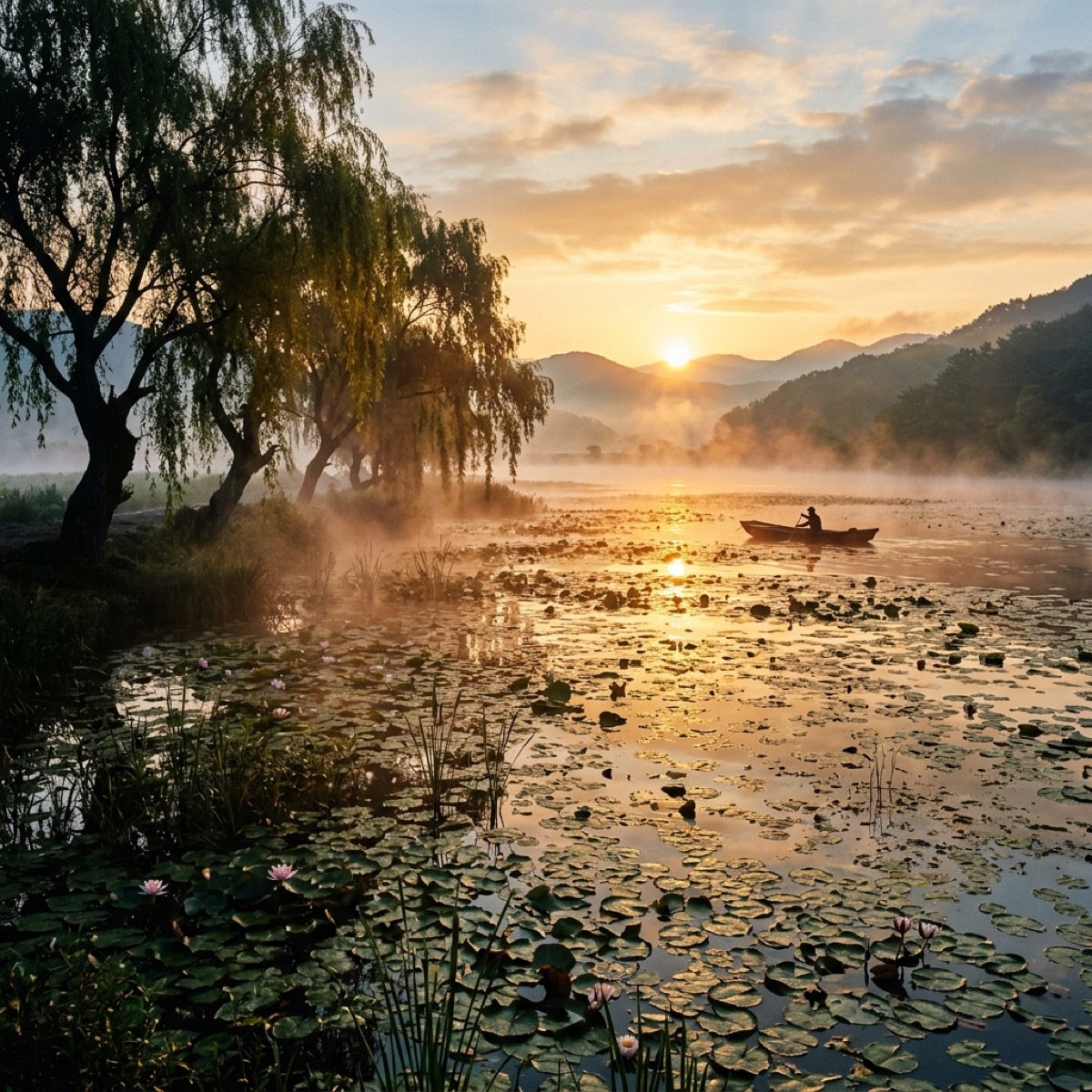
Upo Wetland is South Korea's largest natural riverine wetland and a designated Ramsar site. Spanning over 2.3 square kilometers, it constitutes a vital sanctuary for over 1,500 species of plants and animals. Upo's shallow marshes, seasonal floodplains, and dense reed beds provide critical nesting and foraging grounds for migratory birds. Sadly, agricultural expansion and drainage over the past 50 years degraded Upo's water quality and decimated native marsh vegetation, leading to the local extinction of the iconic Crested Ibis (Nipponia nippon, Tokki) in 1979.
Our Upo Wetland Avian Habitat Restoration project focuses on bringing the Crested Ibis back to Korea's skies. In partnership with the Upo Ibis Restoration Center, we work on re-marshifying degraded buffer zones, installing predator-proof floating nesting platforms, and conducting water purification projects to restore the wetland's natural ecology.
"The return of the Crested Ibis is the ultimate test of Upo's ecological health. When they thrive, it tells us the entire wetland food web has successfully healed."
— Han Young-min, Senior Wetland Researcher, Ramsar East Asia Center
The Challenge
Agricultural Siltation
Pesticide and fertilizer runoff from neighboring farms cause nutrient spikes and eutrophication, degrading water clarity and reducing the fish and amphibian populations that wading birds feed on.
Nesting Tree Loss
Urban development and storm damage have cleared mature, tall willow trees along the wetland edge, leaving ibises with fewer safe, elevated nesting locations.
Predation Pressures
Feral cats and invasive raccoon dogs frequently raid nests situated close to shorelines, particularly when water levels drop during dry seasons.
Unstable Water Levels
Climate change has caused more erratic summer floods and winter droughts, drowning natural low-lying nests or exposing them to land predators.
Our Approach
We combine bio-retention engineering with volunteer monitoring to construct a resilient, predator-secure habitat network across Upo's marshlands.
Floating Nesting Platforms
We build and anchor floating wooden nesting platforms in deep water zones. These artificial nesting structures mimic natural reed islands and are completely inaccessible to climbing land predators, giving hatchlings a 90% higher survival rate.
Silt Filtration & Re-marshifying
We collaborate with local farmers to plant natural filter strips of phragmites and typha reeds, catching agricultural runoff before it enters Upo's primary water body, thereby restoring vital feeding shallows.
Citizen Science Surveys
We train local school groups and eco-tourists to track and catalog avian behaviors using specialized optics. This feeds into a regional database, helping researchers monitor ibis dispersion outside Upo.
Project Timeline & Milestones
Project Launch
Signed collaborative restoration agreement with Changnyeong County. Surveyed three degraded inlets for rehabilitation.
Nesting Platforms Deployed
Fabricated and anchored 10 floating nesting platforms in Upo's main swamp. Planted native willows on adjacent banks.
First Chicks Fledged on Platforms
Recorded two crested ibis breeding pairs nesting on platform 03 and platform 07. Successfully reared and fledged 5 healthy chicks.
Scaling Up Stream Filtration
Currently expanding marsh filter belts over an additional 12 hectares. Rebuilding public viewing decks to prevent tourist noise from disrupting birds.
Establishing the Upo Trust
Handover of long-term platform maintenance and bird tracking to the Changnyeong Citizen Eco-Trust, creating 8 permanent green jobs for locals.
Latest Updates
Triple Hatching Documented on Platform 14
Our monitoring team confirmed the birth of three crested ibis chicks on one of our newly anchored deep-water platforms. Both parent birds are actively foraging. Read Diary →
Winter Census: Record 122 Ibises Spotted
The annual joint winter avian census recorded 122 crested ibises resting in the Upo region, indicating a massive jump from last year's count of 94 birds.
Eco-filters Installed on Northern Inflow Stream
We have completed construction of a 300-meter biological reed filtration channel to screen agricultural runoff from nearby onion farms before it reaches Upo's sanctuary zones.