East Sea Deep Ocean Debris Removal
Deploying specialized volunteer dive teams to extract ghost nets and crab traps off Gangneung. Reconnecting marine corridors and clearing beds to seed fresh kelp zones.
We coordinate professional deep-ocean diving sweeps, clear key coastal sanctuaries of marine waste, and pioneer closed-loop mechanical upcycling networks to protect biodiversity and build a zero-waste society.
At Dasom Saessak Initiative, we look at ocean conservation through a lens of total resource circularity. South Korea's highly active commercial fishing fleets and trans-boundary Pacific currents discard thousands of tons of plastic nets, floats, and packaging material into our coastal waters every year. This massive debris smothering triggers barren ground events, wiping out precious kelp forests and endangering local fisheries.
Our marine circularity framework bridges academic science and hands-on conservation. Partnering with national marine institutes and local fishing cooperatives, we deploy professional deep-ocean salvage divers to clean the seabed. We trace and audit all collected debris using the National Marine Litter Monitoring System, sorting and upcycling recovered nylon back into the local economy.
We map high-density ghost net coordinates using side-scan sonar and underwater ROVs to target extraction efforts safely and efficiently.
We mechanically wash, shred, and extrude collected nylon nets into high-durability plastic pellets for agricultural supply tools and commercial manufacturing.
High-resolution sonar contour maps and ROV deep-ocean waste density surveys along the East Sea basin.
Our collection and recycling operations meet rigorous standards approved by the Korea Marine Environment Management Corporation (KOEM) and the UNEP Northwest Pacific Action Plan.
We deploy underwater Remotely Operated Vehicles (ROVs) and side-scan sonar systems to audit targets. We compile detailed GPS coordinate maps of ghost net piles, identifying priority zones to protect critical fish nursery habitats.
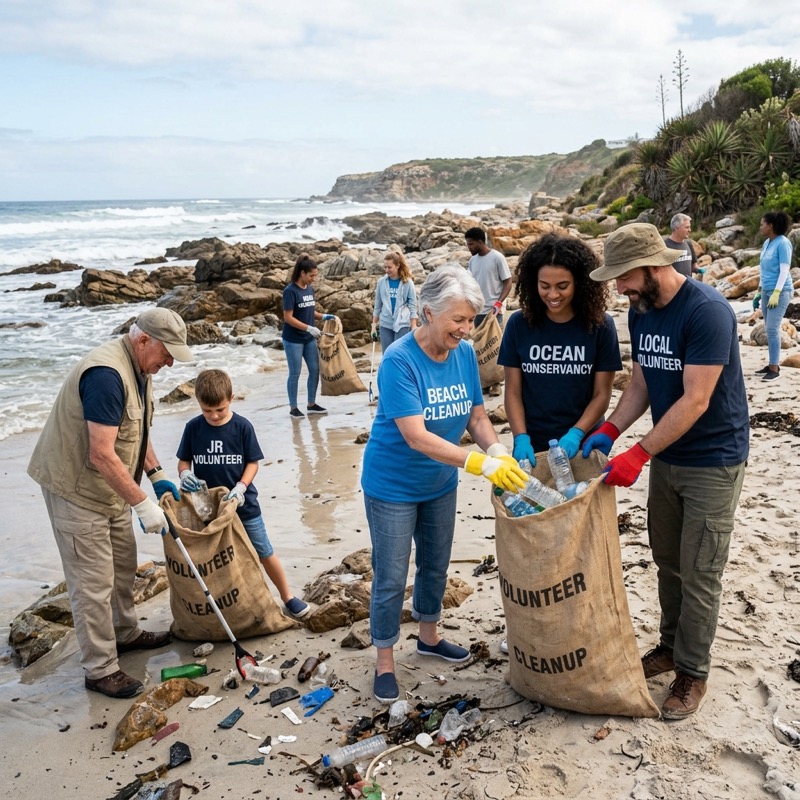
Certified volunteer divers (Advanced Open Water and above) work alongside professional salvage operators to cut and lift heavy ghost nets. Synchronized beach crews sweep intertidal shorelines to capture drift plastics.
Retrieved marine nylon nets are sorted, washed, mechanically shredded, and converted into high-grade pellets. We manufacture recycled nursery trays, farming pots, and structural plastic parts for regional communities.
Explore the real, circular-driven, and community-guided campaigns managed by our teams across the Korean peninsula's shorelines.
We work in close cooperation with elite academic, governmental, and international experts to optimize waste sorting, materials upcycling, and marine biology safety.
"Ghost nets are silent killers, entangling wildlife and smothering kelp. Removing them systematically lets cold-water ecosystems restore themselves."
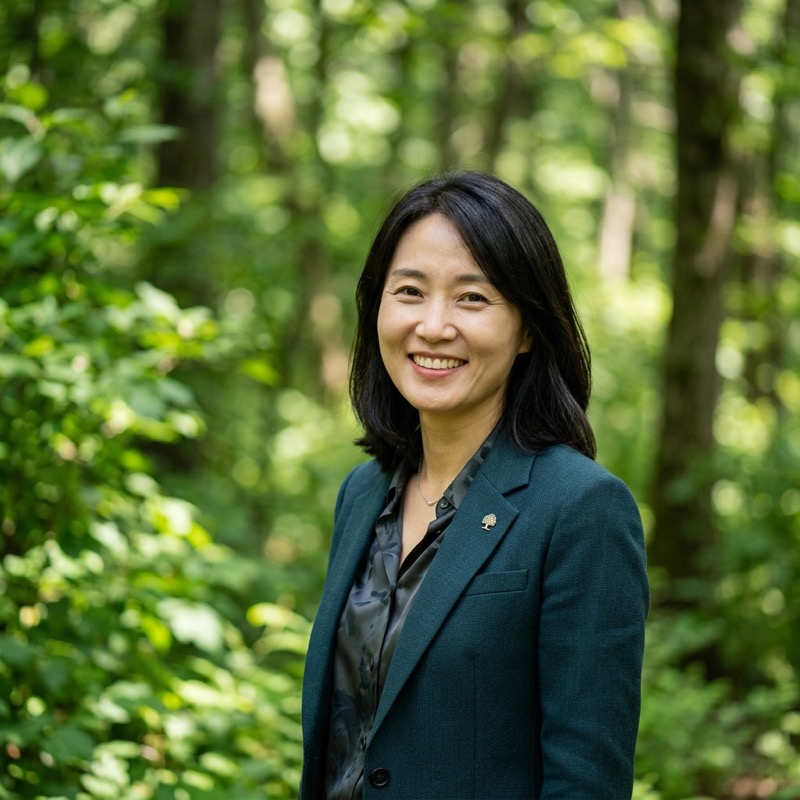
"Saltwater-degraded nylon requires specific washing and mechanical purification before extrusion. By standardizing this process, we create durable upcycled materials."
"Stopping metropolitan plastic at the river margins using passive booms is highly cost-effective, intercepting waste before it breaks down into marine microplastics."
Join our volunteer beach sweeps, certified dive teams, or sponsor a circular upcycling run.