Jeju Gotjawal Native Forest Restoration
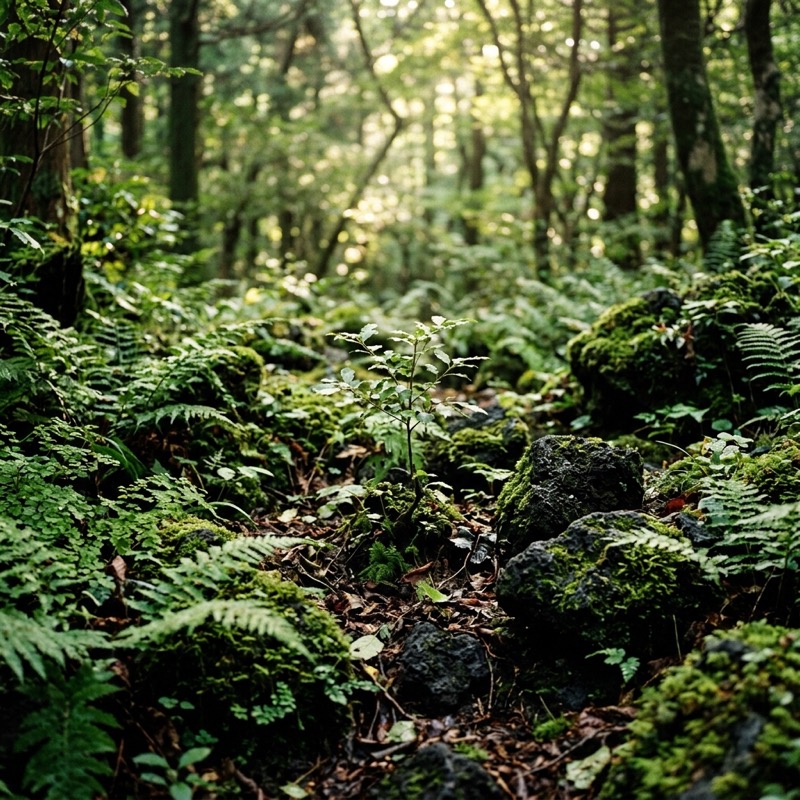
Reclaiming the UNESCO Biosphere Gotjawal volcanic forest canopy. Removing invasive species and planting native trees to secure Jeju's primary volcanic fresh water aquifer.
We combine rigorous scientific research with deep community stewardship to restore degraded native forests, reconnect fractured wildlife corridors, and revitalize pristine wetlands across South Korea.
At Dasom Saessak Initiative, we believe ecological restoration is not simply about planting trees; it is about rebuilding functional, self-sustaining biological systems. South Korea's rapid industrialization over the past half-century has left a highly fragmented landscape — isolating wildlife populations, polluting precious aquifers, and reducing resilience to severe climate events.
Our restoration approach bridges the gap between scientific expertise and local stewardship. By partnering with leading universities, national institutes, and traditional community groups like Jeju's haenyeo (diving women) cooperatives, we execute targeted interventions that deliver measurable gains in biodiversity and watershed health.
We establish comprehensive baseline parameters and track progress using GIS mapping, satellite telemetry, and real-time biological sensor networks.
We consult and coordinate with local farmers, divers, and schools to integrate traditional ecological knowledge with active project guardianship.
High-resolution forestry mapping and baseline survey canopy progress across South Korea's ecosystems.
Our restoration protocols are developed in collaboration with the National Institute of Forest Science (NIFoS) and peer-reviewed by the Society for Ecological Restoration (SER) Korea Chapter.
Before touching the soil, our teams conduct a intensive 6-month survey of target zones. We inventory soil chemistry, map hydrology, catalog existing flora, and set up sensor cameras to audit wildlife activity.
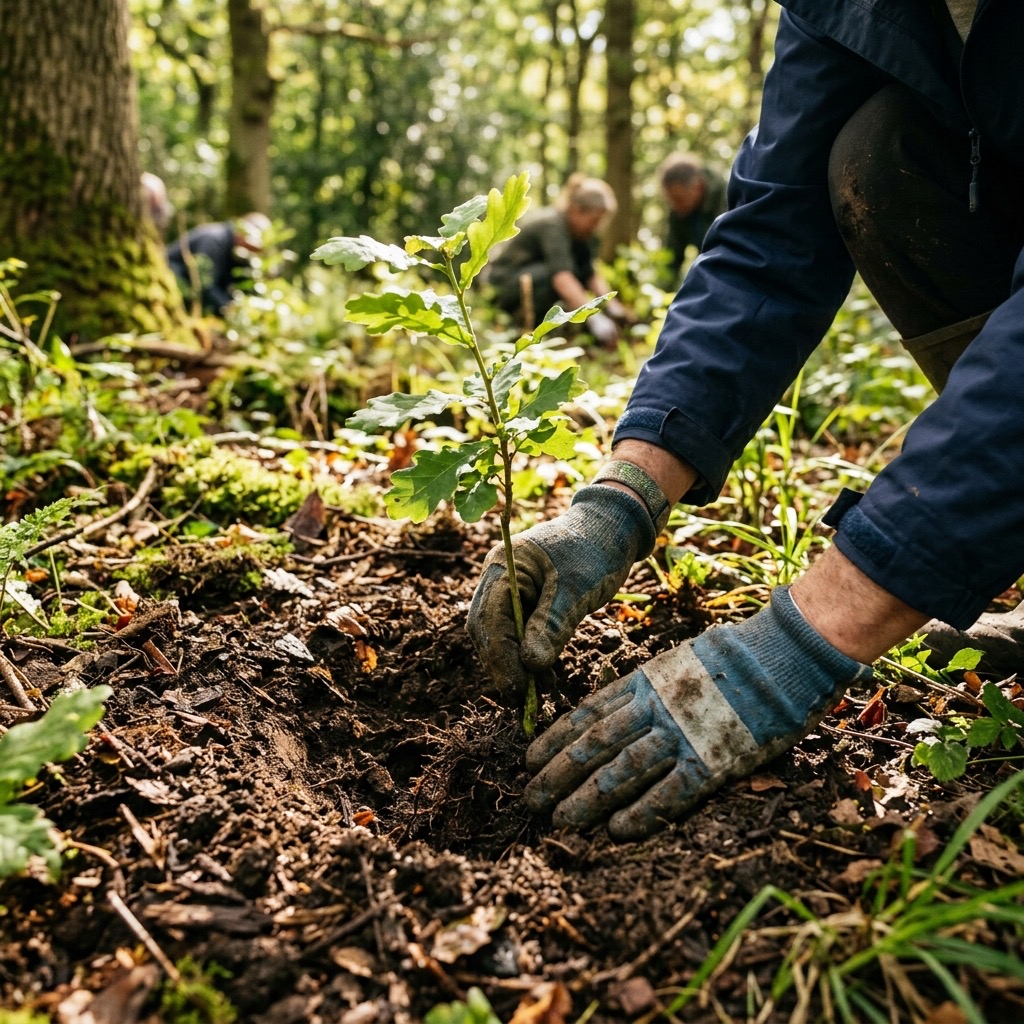
Using locally sourced seeds from native species (like Camellia japonica and Quercus), we plant micro-forest nurseries. We physically remove aggressive invasive species and plant diverse native species to trigger natural succession.
We deploy real-time monitoring sensors (tracking soil moisture and water purity) and train local communities to serve as field rangers. This ensures long-term protection, preventing encroachments and enabling adaptive adjustments.
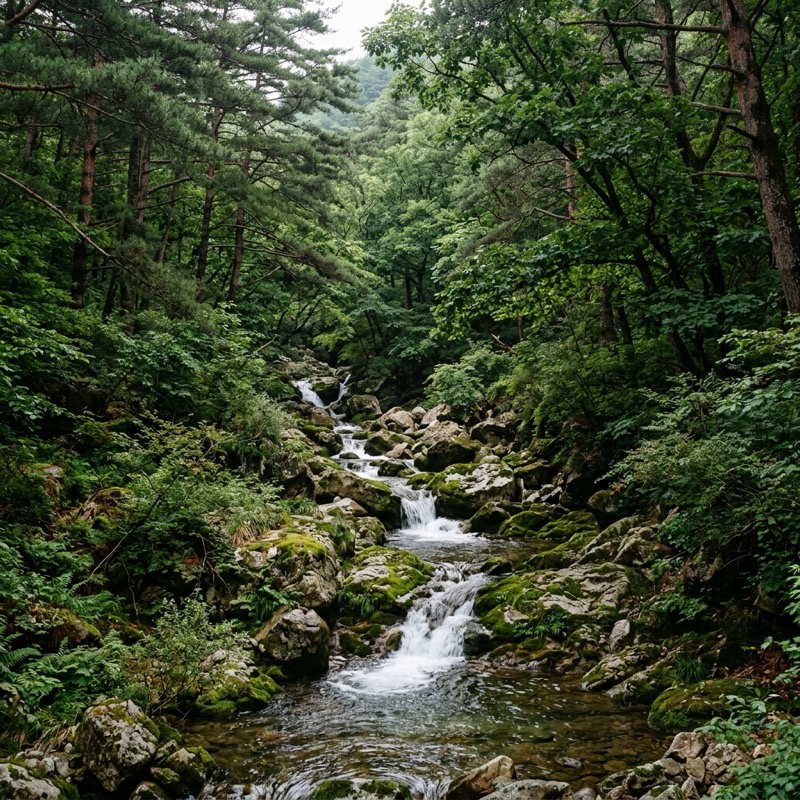
Explore the real, science-driven, and community-guided initiatives currently being managed by our NGO across the Korean peninsula.
We work in close cooperation with leading academic and governmental bodies to verify that our restoration methodologies meet elite global standards.
"Restoring Gotjawal's organic volcanic layers requires structural replanting. Re-establishing the primary *Camellia* canopy allows the unique forest microbiology to recover naturally."
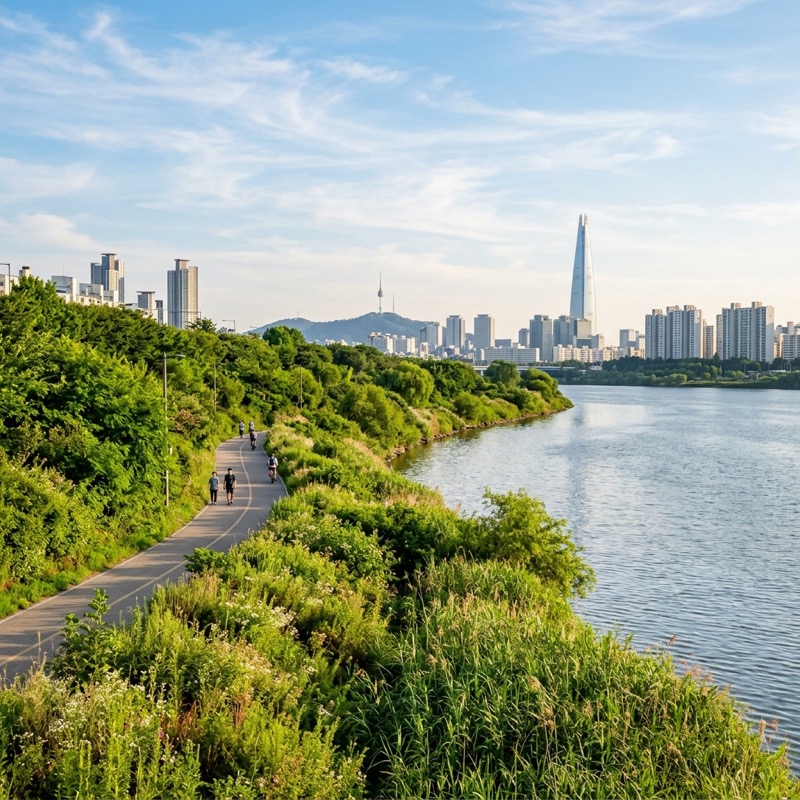
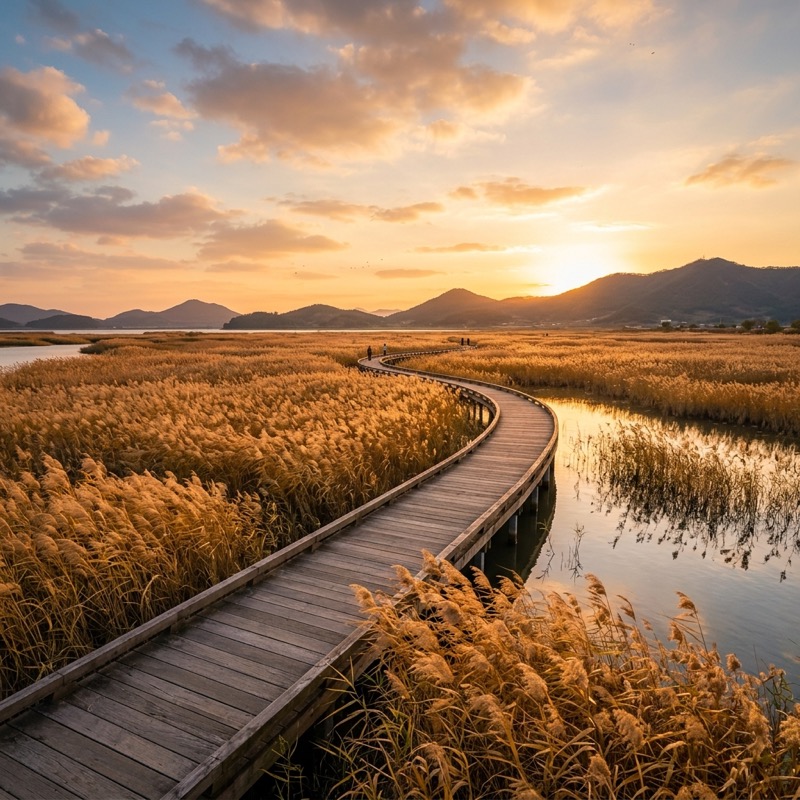
"Living biological filters at the tributary margins can trap up to 41% of agricultural nitrogen. This constructed reed-meadow system is a highly scalable solution for Korea's watersheds."
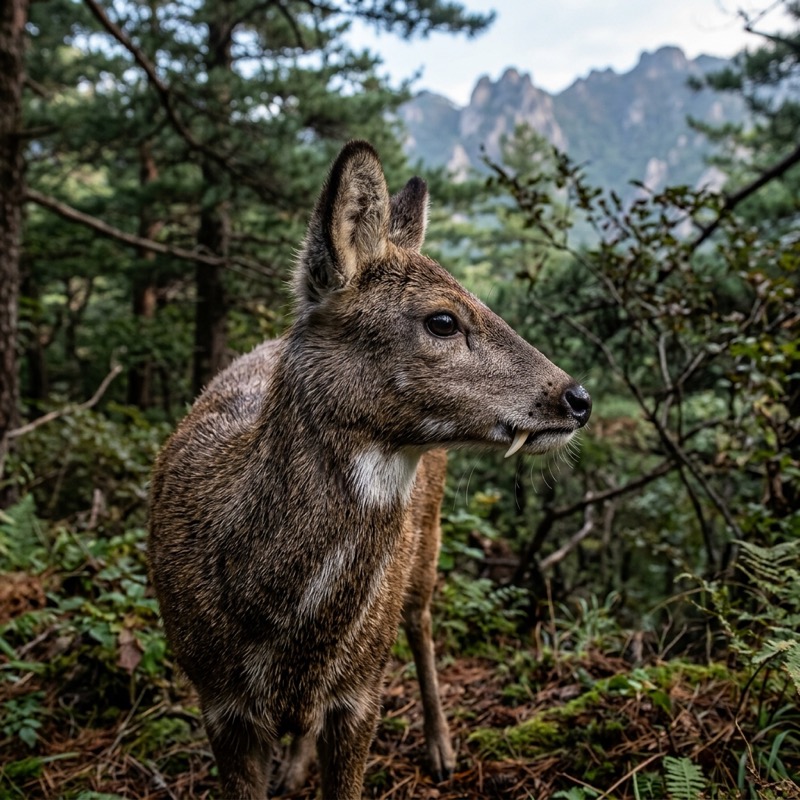
"Alpine wildlife populations in Korea suffer heavily from habitat isolation. By reconnecting high-altitude corridors, we ensure critical genetic health for native species."
Join our field volunteer restoration teams or sponsor a native planting initiative.