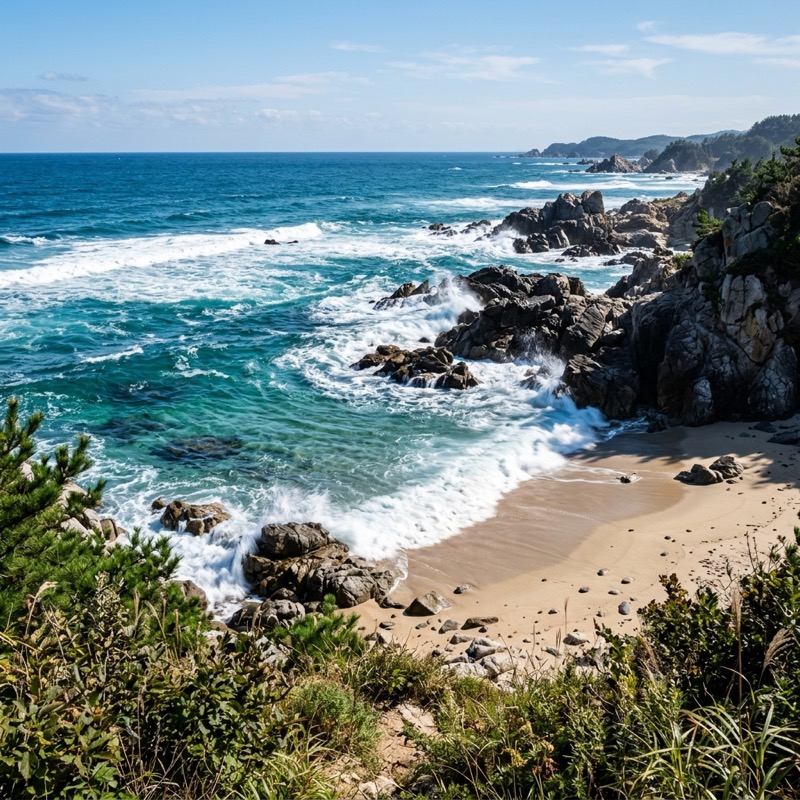
DMZ Nature Peace Education Program
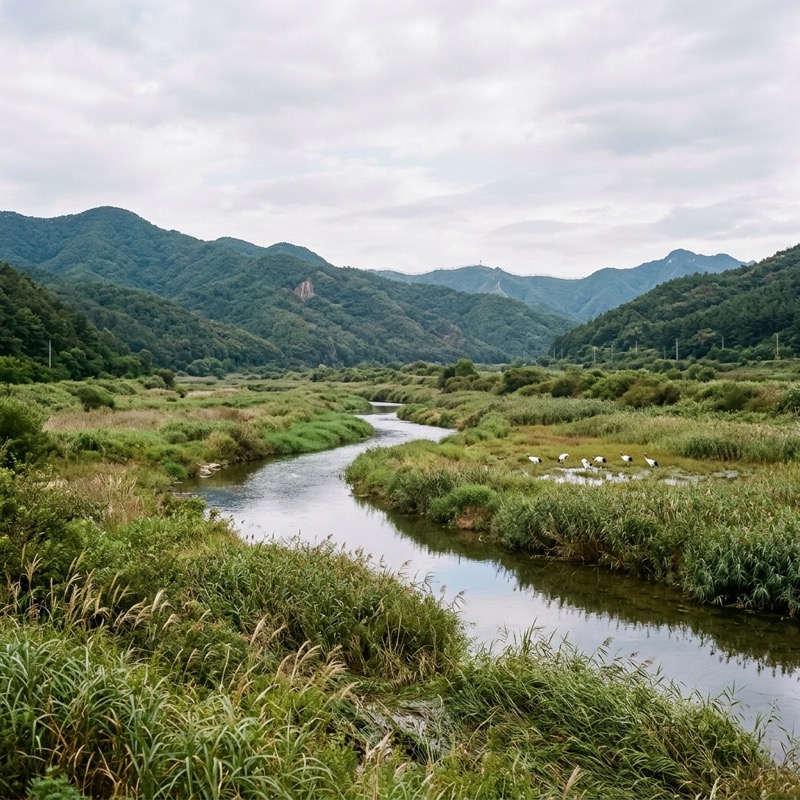
Taking middle and high school students to the DMZ buffer zone to study pristine river ecosystems, crane wintering habits, and conservation in divided land.
We transform natural sanctuaries like the DMZ into living classrooms, bridging school curriculum with immersive field science to foster deep connections to nature and ecological stewardship.
At Dasom Saessak Initiative, we believe that environmental awareness is not merely about understanding facts; it is about building deep, lasting relationships with the natural world. Urban-centred exam cultures leave many young Koreans disconnected from the environments their future depends on. Our goal is to break this cycle by offering immersive, outdoor educational experiences.
By transforming ecological sanctuaries — like the pristine accidental nature reserve of the Korean Demilitarised Zone — into living labs, we connect textbook science with direct field observation. We collaborate with national institutions, local school districts, and ecological research centres to deliver accredited educational modules that count toward official creative experiential learning credits.
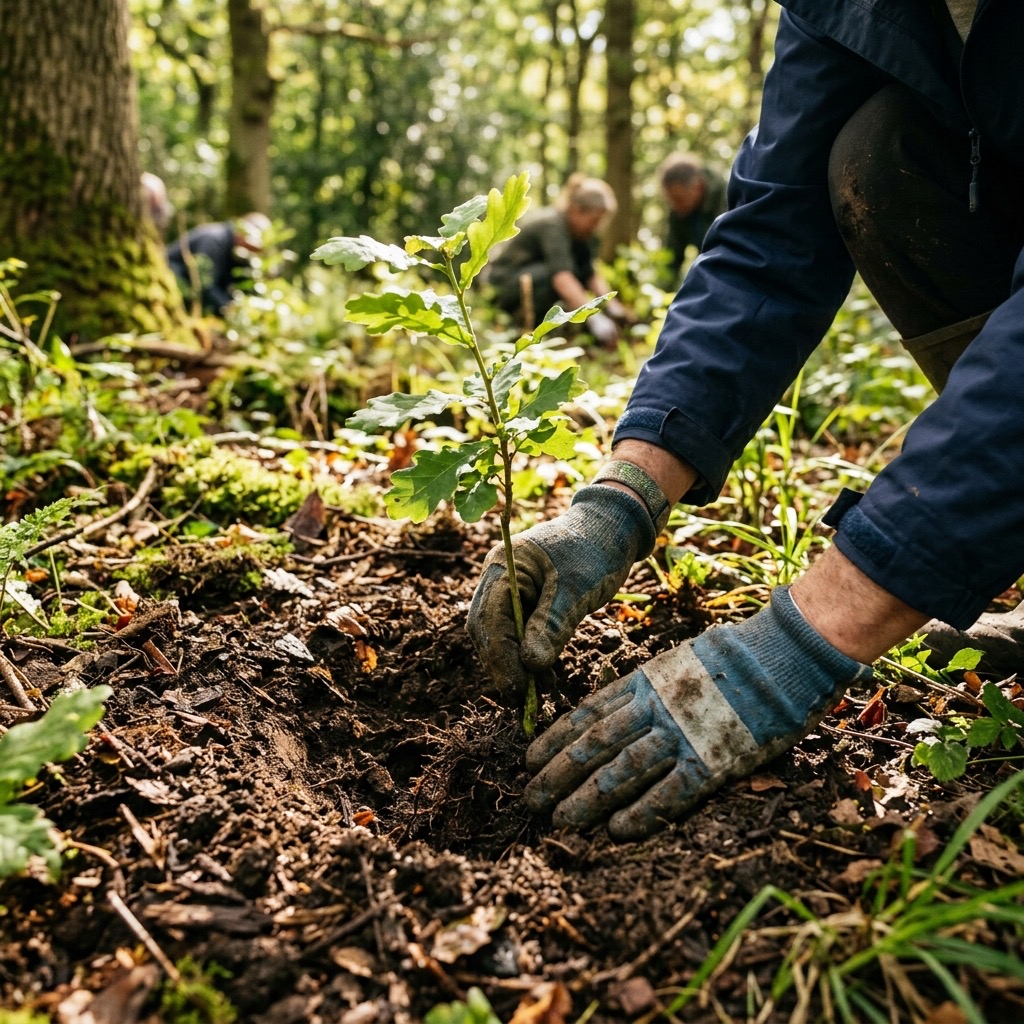
We move learning out of the classroom and into the wild, where students can observe biodiversity, monitor migratory flyways, and map forest dynamics firsthand.
All of our programs align with Korea's National Curriculum standards, making it easy for partner schools to integrate outdoor trips into their schedules.
Specialized student journals, binoculars training, and regional plant/bird reference guides developed by our expert educators.
Our educational programmes are built on research-backed methodologies approved by KEDI and the National Institute of Ecology.
We work with national educational authorities to align our field modules with the national environmental curriculum, ensuring students earn credit for their field research.
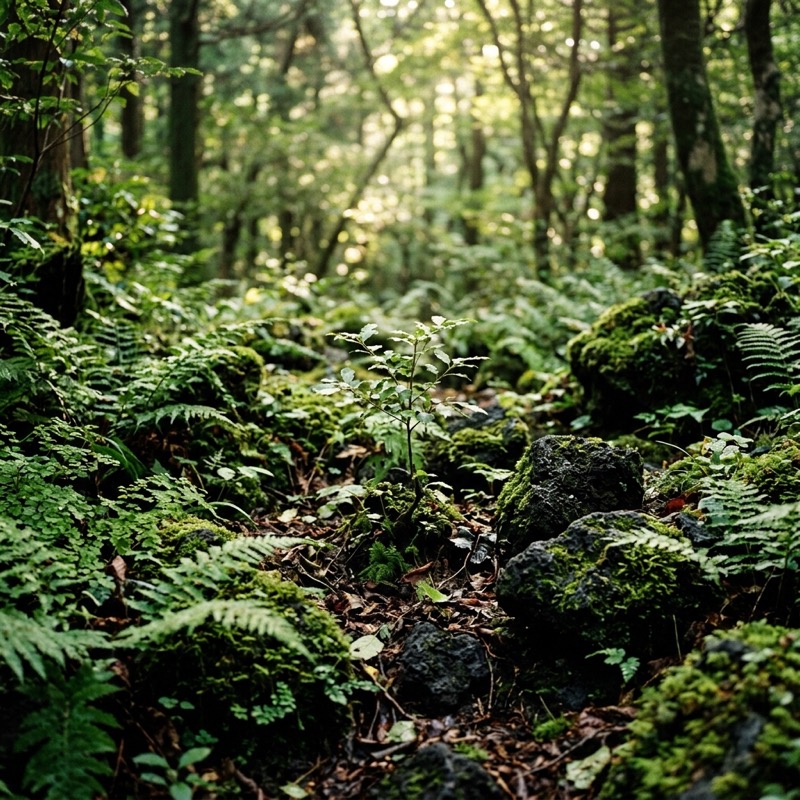
Students travel to ecological buffer zones like Cheorwon or Gotjawal, learning how to use research gear, observe species, and map forest zones safely alongside scientists.
Student observations, crane counts, and water test results are uploaded to national biodiversity databases, showing youth that their work has real scientific impact.
Discover how we are training the next generation of Korean conservation leaders in the field.

Our program material and curriculum models are designed and reviewed by leading experts in ecology and environmental pedagogy.
A leading specialist in experiential learning models, Professor Kang oversees our school curriculum alignment to meet Korea's National Curriculum standards.
A prominent avian biologist specializing in winter cranes, Dr. Yoon helps integrate student-collected bird counts into national monitoring databases.
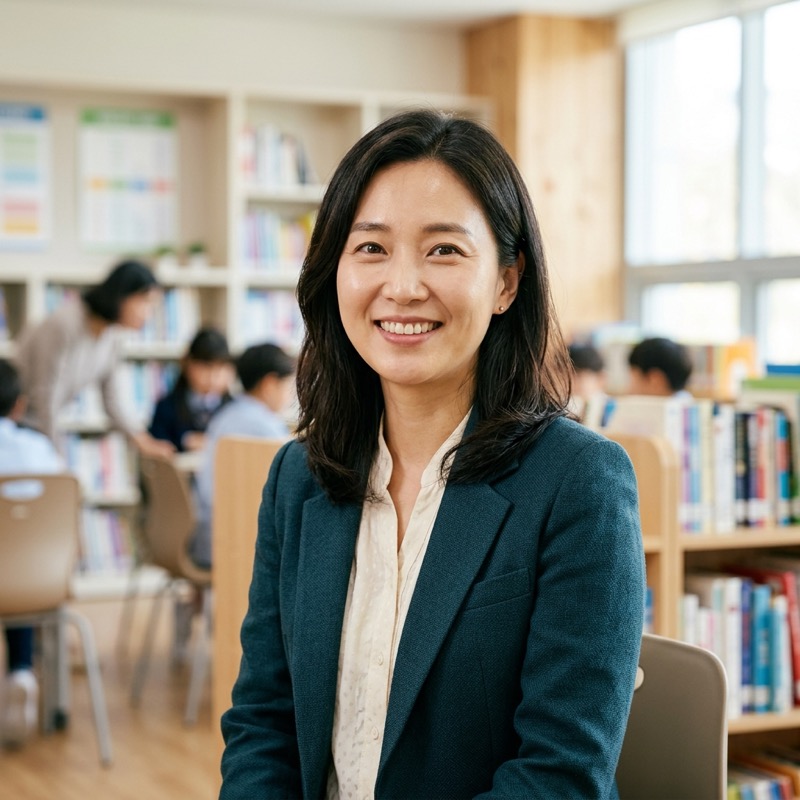
With over 20 years of experience in youth nature training, Director Song coordinates our teacher preparation programs and outdoor safety frameworks.
Help us expand our accredited DMZ expeditions, provide field gear to more schools, and inspire the next generation of Korean environmental leaders.